
Wills vs. Trusts: What Caregivers Need to Know to Protect Their Family
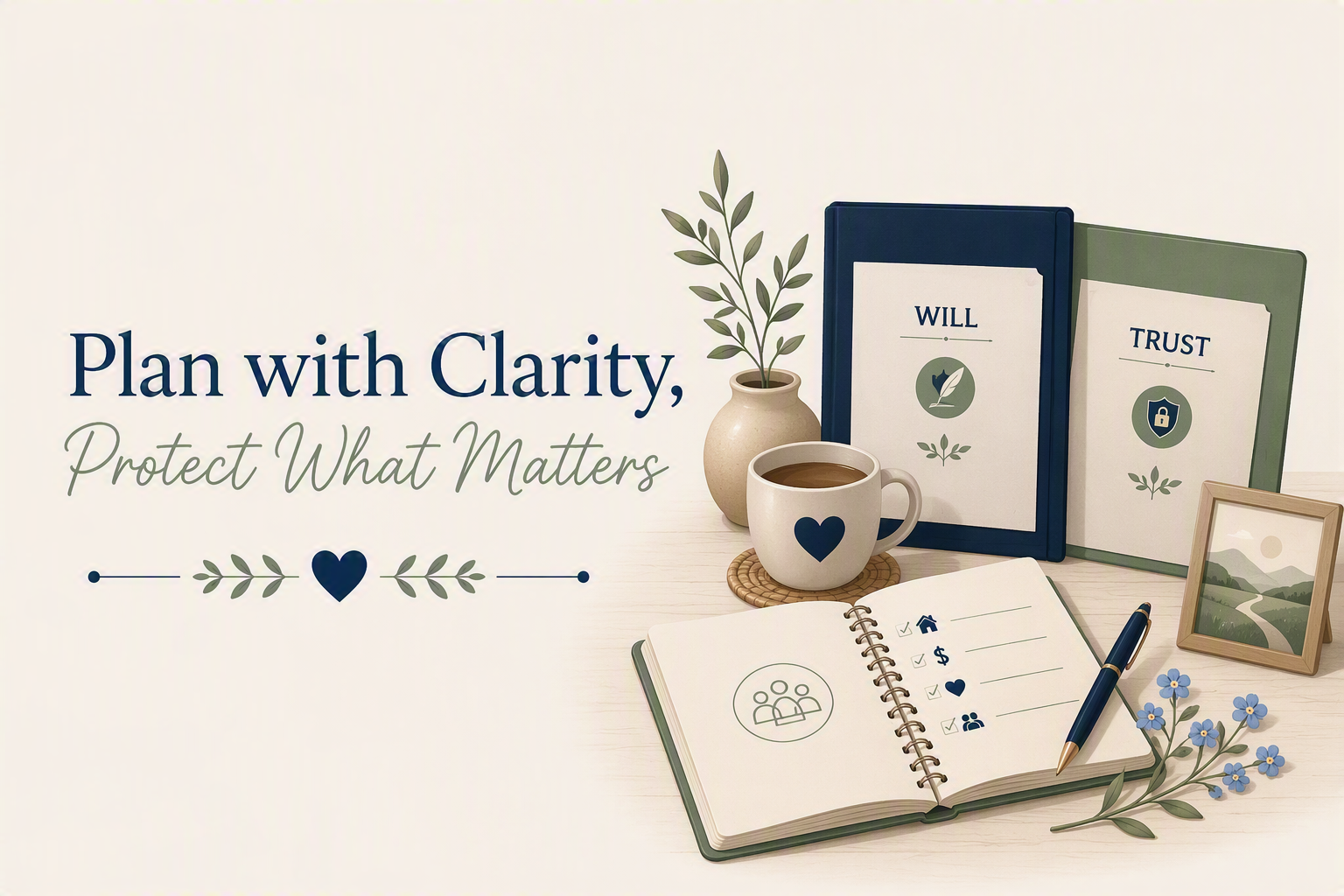
By: Hey Woman Podcast | Episode 24: Understanding Wills & Trusts
Estate Planning Is Not Just for the Wealthy
If you’ve ever thought:
- “I don’t have enough money to need a trust.”
- “I’ll deal with estate planning later.”
- “That’s something older people need to worry about.”
You’re not alone.
But Episode 24 of the Hey Woman Podcast challenges some of the most common misconceptions about estate planning and explains why these decisions matter for every adult—not just those with significant wealth.
Estate planning isn’t about how much money you have.
It’s about protecting the people you love, preserving your wishes, and reducing confusion when difficult decisions arise.
Why Estate Planning Matters for Everyone
One of the biggest myths surrounding estate planning is that it’s only necessary for individuals with large estates.
The reality is much simpler:
Every adult needs a plan.
Once someone turns 18:
- Parents lose automatic legal authority
- Medical information becomes protected by HIPAA
- Decisions become the responsibility of the individual
- Assets and legal matters require proper authorization
That’s why planning should begin much earlier than most people expect.
The Legal Planning Takeaway
Estate planning isn’t a wealth issue.
It’s a life-planning issue.
What Is a Will?
A will is a legal document that provides instructions for what happens to your assets after your death.
A will typically:
- Names beneficiaries
- Identifies an executor
- Provides basic distribution instructions
- Outlines final wishes related to your estate
While wills are incredibly important, many people don’t realize they often require an additional legal process called probate.
“In no state is probate not an extra step.”
Understanding Probate
When a person passes away with a will, their estate typically goes through probate court.
Probate is the legal process of validating the will and administering the estate.
Depending on the situation, probate can involve:
- Court filings
- Legal review
- Additional time
- Administrative costs
- Delays in asset distribution
Families are often surprised to learn that a will does not automatically avoid probate.
The Legal Planning Takeaway
A will provides direction.
Probate provides oversight.
And both can affect how quickly assets are distributed.
What Is a Trust?
A trust is a legal arrangement that provides instructions for how assets are managed and distributed.
Unlike a will, a trust can operate:
- During your lifetime
- After your death
- During periods of incapacity
Trusts are often used to create more flexibility, privacy, and control.
One of the most important distinctions is that a trust is not simply a document.
It’s a planning strategy.
Why This Matters
Many trusts allow assets to transfer directly without going through probate.
That can make administration simpler for loved ones.
The Biggest Myth About Trusts
Many people assume trusts are only for wealthy families.
This episode directly challenges that belief.
Trusts are not necessarily about money.
They’re often about goals.
Those goals may include:
- Avoiding probate
- Protecting beneficiaries
- Preserving privacy
- Planning for special needs
- Managing long-term care concerns
- Protecting assets from future risks
“Trusts are for anyone with a goal—not just money.”
Understanding the Difference Between Wills and Trusts
When comparing the two, there are several important distinctions.
A Will Typically:
- Takes effect after death
- Goes through probate
- Becomes part of the public record
- Provides basic distribution instructions
- Serves as a foundational planning document
A Trust Typically:
- Can operate during life and after death
- Often avoids probate
- Remains private
- Provides greater flexibility
- Allows more customized planning
- May provide additional asset protection opportunities
The Legal Planning Takeaway
Neither option is universally better.
The right choice depends on a family’s goals, assets, and planning priorities.
What Can a Trust Actually Do?
One of the most valuable parts of this episode is the discussion of how different types of trusts solve different problems.
Revocable Living Trust
A revocable living trust is often used to:
- Manage assets during life
- Simplify administration after death
- Avoid probate
- Maintain privacy
This is one of the most common trust strategies used by families.
Irrevocable Trust
Irrevocable trusts are often used for:
- Asset protection
- Long-term care planning
- Medicaid planning
- Estate tax strategies
These trusts generally involve giving up certain levels of control in exchange for planning benefits.
Special Needs Trust
Special needs trusts help provide support for individuals receiving government benefits without jeopardizing eligibility for programs such as:
- SSI
- Medicaid
These trusts are often essential for families caring for loved ones with disabilities.
Caregiver Trust
Caregiver-focused trusts can help:
- Fund future care needs
- Direct caregiving resources
- Support long-term planning goals
These strategies are especially relevant for families focused on aging and caregiving concerns.
Education Trust
Education trusts allow families to set aside resources specifically for:
- College expenses
- Educational opportunities
- Future learning goals
These trusts are often used for children and grandchildren.
Asset Protection Trust
These trusts may help protect assets from:
- Divorce concerns
- Creditor issues
- Legal claims
- Future inheritance risks
The Importance of Knowing What You Own
Before creating any estate plan, it’s important to understand what assets exist.
Many families struggle because they cannot easily identify:
- Bank accounts
- Retirement accounts
- Investment accounts
- Insurance policies
- Real estate
- Digital assets
- Account access information
Why Asset Identification Matters
You can’t effectively plan for assets you don’t know exist.
Creating a complete inventory is often the first—and most important—step in the planning process.
Choosing the Right People Matters
Estate planning isn’t just about documents.
It’s about selecting people who can carry out your wishes.
Two important roles often include:
Executor
An executor administers the estate and follows the instructions contained in the will after death.
Trustee
A trustee manages trust assets and follows the instructions outlined within the trust.
A trustee’s role often extends beyond finances.
A strong trustee should be able to:
- Understand your intentions
- Communicate effectively
- Manage responsibilities fairly
- Reduce family conflict when possible
The Legal Planning Takeaway
The oldest child is not automatically the best choice.
The best choice is the person who can successfully do the job.
“Families don’t argue because they’re bad people. They argue because they don’t have clarity.”
Planning Early Creates More Options
One of the strongest themes throughout this episode is that planning early creates flexibility.
Without a plan:
- Decisions happen under pressure
- Options become limited
- Families are forced to react
With a plan:
- Wishes are documented
- Decision-makers are identified
- Families have guidance
- More options remain available
Why This Matters
Planning doesn’t eliminate uncertainty.
It reduces unnecessary uncertainty.
Estate Planning Is About Life, Too
One of the most refreshing insights from this episode is that estate planning is not solely about death.
It’s also about how you live today.
Many people assume that preserving wealth means never using it.
Julie and Cortney offer a different perspective.
You can:
- Spend money on your own care
- Support loved ones while you’re alive
- Invest in experiences
- Improve quality of life
- Enjoy the resources you’ve worked hard to build
“You owe nobody an inheritance.”
The Legal Planning Takeaway
Good planning supports both your future and your present.
Five Key Lessons From This Episode
1. Wills Provide Important Direction
But they often involve probate and public administration.
2. Trusts Offer Additional Flexibility
Many trusts help families simplify administration while supporting specific goals.
3. Estate Planning Isn’t Just for Wealthy Families
Every adult benefits from having a plan.
4. Clear Instructions Reduce Family Conflict
Uncertainty often creates disagreement.
Clarity often creates peace of mind.
5. Planning Early Creates More Choices
Future decisions become easier when important conversations happen before a crisis.
“The best time to plan is before you need it.”
Listen & Learn More
Listen to the Hey Woman Podcast for real-life caregiving stories, practical guidance, and family-centered conversations.
Visit Planning & Protecting for additional resources, educational tools, and support from professionals who understand estate planning, caregiving, elder law, and long-term care planning.