
What Is Social Caregiving? Why It’s Critical for Aging Parents
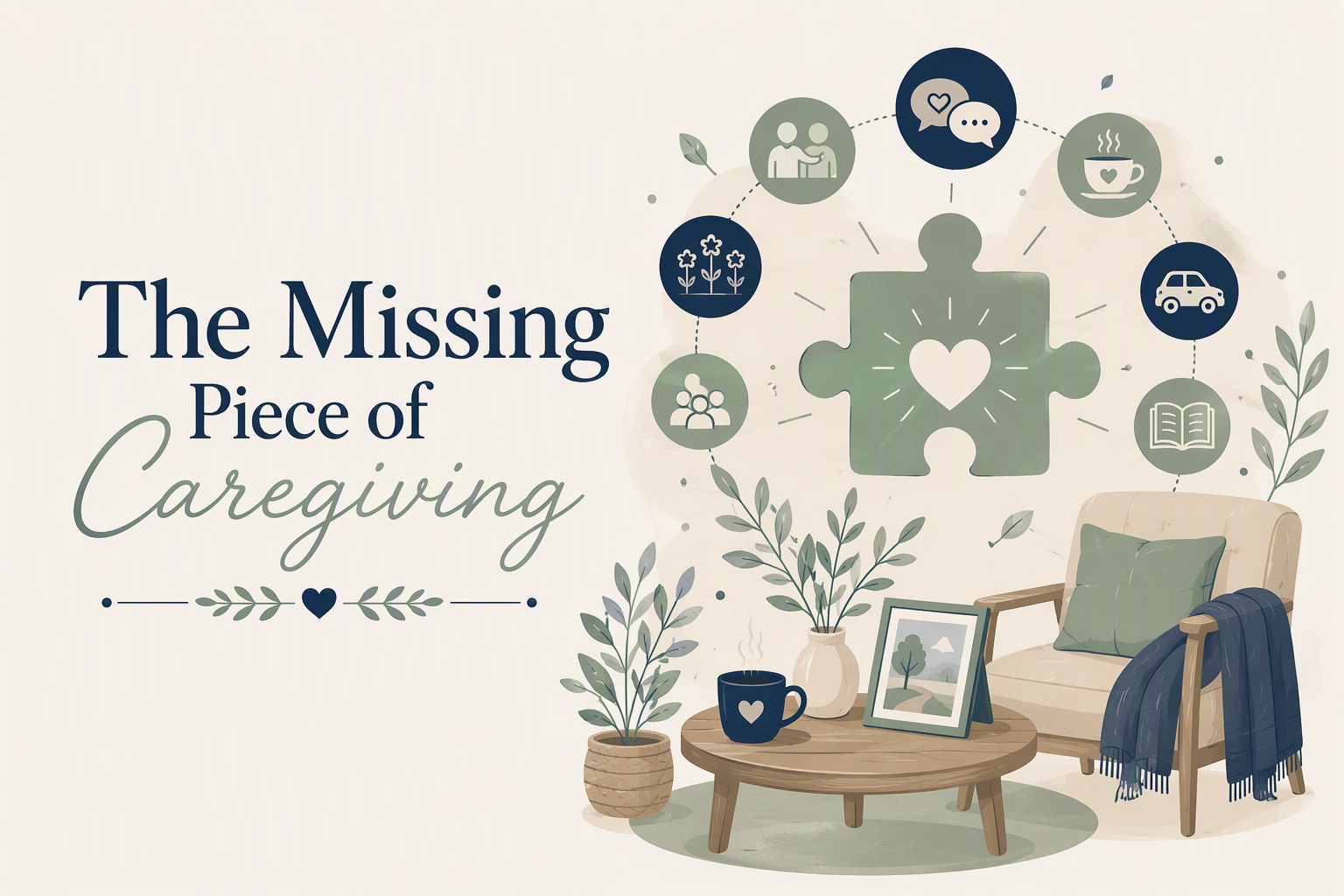
By: Hey Woman Podcast | Episode 27: Family Caregiving & Social Caregiving
Caregiving Often Begins Long Before Medical Care Is Needed
When most people hear the word caregiving, they think about medications, doctor’s appointments, mobility concerns, or helping someone with daily tasks.
But caregiving often starts much earlier.
Long before a loved one needs physical assistance, they may need something just as important: connection.
In Episode 27 of the Hey Woman Podcast, Julie and Cortney explore the concept of social caregiving and why it plays such a critical role in supporting aging parents. Using Nana’s story as a guide, they discuss loneliness, connectedness, grief, independence, and the practical ways families can help aging loved ones stay engaged with life.
This episode challenges families to recognize that caregiving isn’t always about healthcare.
Sometimes it starts with a phone call.
A shared meal.
A weekly visit.
A simple reminder that someone is not alone.
“We’re really talking about connectedness and loneliness.”
What Is Social Caregiving?
Social caregiving focuses on helping a person maintain connection, purpose, relationships, and community.
Unlike traditional caregiving, social caregiving typically begins when someone is still largely independent.
An aging parent may not need assistance with medications or daily activities, but they may be experiencing:
- Loneliness
- Loss of social interaction
- Reduced mobility
- Changes in routine
- Grief after losing a spouse
- Isolation from friends or family
At this stage, the need isn’t primarily medical.
It’s human.
The Caregiver Takeaway
Social caregiving helps preserve emotional well-being, independence, and quality of life before major care needs arise.
Why Loneliness Matters More Than Many Families Realize
Loneliness is often dismissed as an emotional issue.
In reality, it can have significant effects on overall health and well-being.
Older adults who experience isolation may struggle with:
- Depression
- Reduced activity levels
- Cognitive decline
- Loss of purpose
- Poorer health outcomes
Connection is not simply a luxury during aging.
It’s a necessity.
“Loneliness is something we really have to combat.”
For many families, social caregiving becomes one of the most powerful preventative tools available.
When Caregiving Begins After Loss
One of the most common times social caregiving becomes important is after the death of a spouse or partner.
The surviving spouse often experiences multiple losses at once:
- Daily companionship
- Shared routines
- Household partnership
- Social opportunities
- Emotional support
Even individuals who remain physically healthy may experience profound loneliness.
Initially, family members often rally around them.
Visits increase.
Phone calls become more frequent.
Support is readily available.
But as time passes, life resumes.
The older adult may suddenly find themselves facing an even greater sense of isolation.
“There’s a loneliness. There’s a void.”
The Power of Consistency
One of the simplest ways families can provide social caregiving is through predictable, ongoing connection.
Consistency creates stability.
It gives aging adults something to anticipate and depend upon.
Examples might include:
- Weekly family dinners
- Standing phone calls
- Sunday coffee visits
- Monthly outings
- Regular video chats
These routines create structure while reinforcing an important message:
You have not been forgotten.
“Having continuity—here’s the plan—that’s helpful.”
Why This Matters
Caregiving isn’t always about big gestures.
Sometimes small acts repeated consistently have the greatest impact.
Social Caregiving Takes More Effort Than People Expect
Many people assume social caregiving is simply a matter of spending more time together.
In reality, it often involves planning and flexibility.
Families may encounter challenges such as:
- Transportation needs
- Mobility limitations
- Scheduling conflicts
- Accessibility concerns
- Differing energy levels
- Geographic distance
Even simple activities can require extra preparation.
“It adds a layer of complexity.”
This doesn’t mean families are doing something wrong.
It means caregiving is real.
And real caregiving requires effort.
Balancing Inclusion and Independence
One common caregiving strategy is including aging parents in more family activities.
This can be valuable, but it’s important to avoid changing everything at once.
Many older adults find comfort in familiar routines, especially during periods of grief or transition.
Supporting independence often means protecting those routines whenever possible.
Families can strive for balance by:
- Inviting participation without forcing it
- Maintaining familiar traditions
- Respecting personal preferences
- Preserving meaningful routines
- Making changes gradually
“Not changing everything all at once is really important.”
The Caregiver Takeaway
Social caregiving isn’t about taking over a person’s life.
It’s about supporting connection while respecting identity.
Social Caregiving Often Leads to Bigger Questions
As families spend more time supporting aging loved ones, larger planning conversations naturally emerge.
Questions may include:
- Can they safely remain at home?
- Is the house appropriate for aging in place?
- Who will help if needs increase?
- What healthcare decisions need to be discussed?
- Are legal documents in place?
These conversations can feel uncomfortable, but they become easier when families start planning before a crisis occurs.
“We need to think about—is my home able to be something where I can age in place?”
Why Caregiving Is Becoming More Challenging for Families
The caregiving landscape is changing.
Families are increasingly carrying more responsibility for supporting aging loved ones.
Several factors contribute to this reality:
- More people are living longer
- Care needs are increasing
- Professional caregiver shortages exist
- Care costs continue rising
- Families often live farther apart
As a result, planning early is becoming more important than ever.
“We have more need for care and a dwindling caregiver population.”
The families who begin conversations early often have more flexibility and options later.
What About Solo Agers?
Not every older adult has children or family members available to help.
These individuals are often referred to as solo agers.
Without a clear support system, planning becomes even more important.
Solo agers may need to rely on:
- Friends
- Neighbors
- Faith communities
- Professional advisors
- Community organizations
- Care networks
For these individuals, social connection is especially critical.
Building relationships and support systems before a crisis occurs can make all the difference.
Five Ways to Practice Social Caregiving Today
1. Create a Consistent Connection Routine
Schedule regular visits, calls, or meals and treat them as important commitments.
2. Focus on Connection Before Crisis
Don’t wait until medical needs develop before becoming involved.
Strong relationships built today provide support tomorrow.
3. Include Loved Ones in Everyday Life
Simple activities often matter most.
Invite them to dinner.
Bring them to family gatherings.
Include them in ordinary moments.
4. Respect Established Routines
Social caregiving should support identity, not replace it.
Look for ways to preserve familiar routines while providing connection.
5. Start Planning Early
Conversations about aging in place, future care needs, and legal planning are easier when they happen before urgent decisions are required.
What Families Should Be Discussing
Social caregiving often opens the door to important planning conversations, including:
- Powers of Attorney
- Advance Directives
- Long-Term Care Planning
- Aging in Place Goals
- Financial Planning
- Family Communication Strategies
- Support Networks
These discussions may feel uncomfortable, but they can help families avoid unnecessary stress later.
Listen & Learn More
Listen to the Hey Woman Podcast for real-life caregiving stories, practical guidance, and family-centered conversations.
Visit Planning & Protecting for caregiver tools, educational resources, and support for families navigating the challenges of aging and caregiving.