
The Future of Cognitive Care: Normalcy, Choice, Technology, and Dementia Care
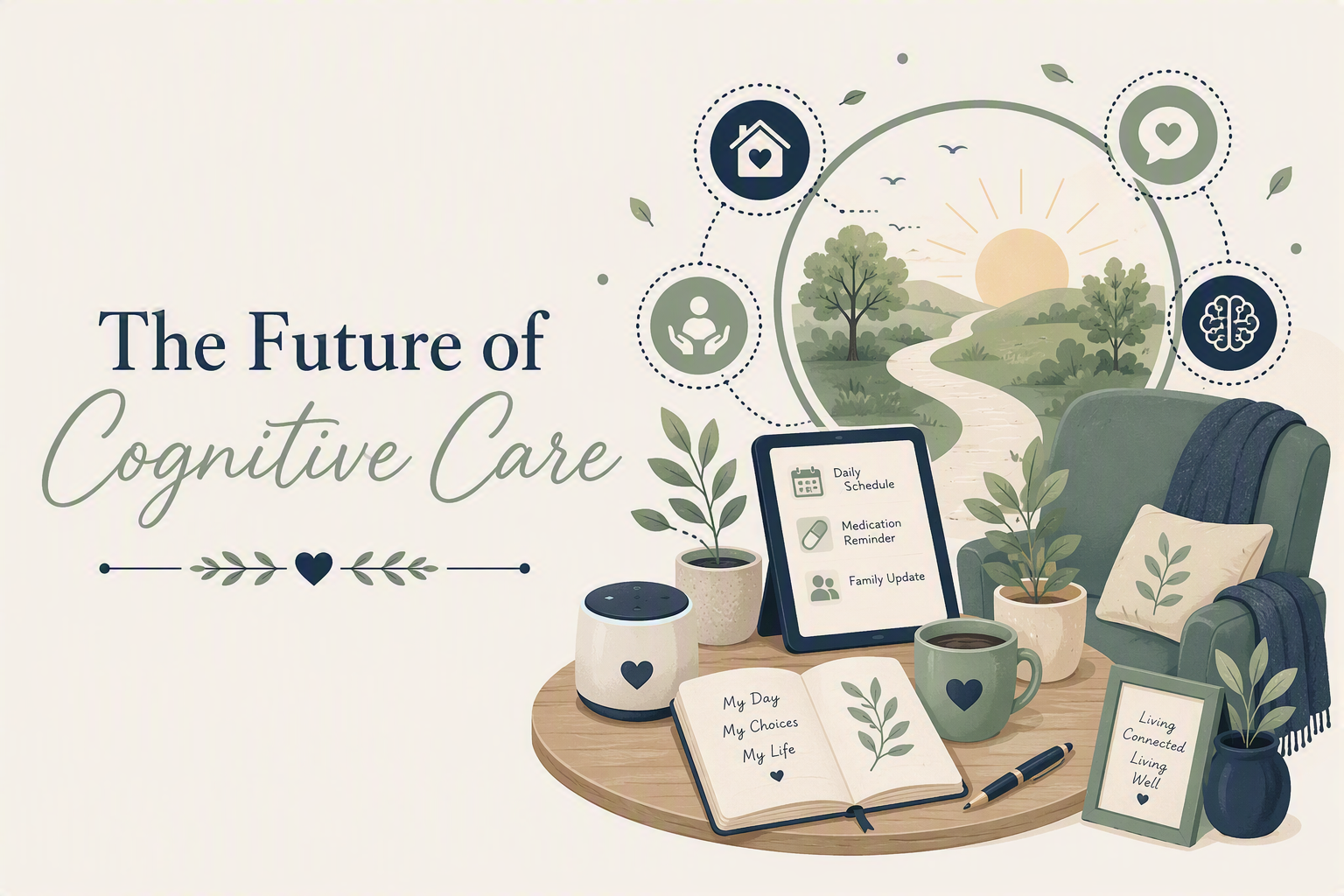
By: Hey Woman Podcast | Episode 16: The Future of Cognitive Care
What Should Dementia Care Look Like in the Future?
When families think about dementia care, they often focus on immediate concerns:
- Safety
- Medications
- Caregiving responsibilities
- Future housing decisions
- Daily routines
But what if we asked a bigger question?
What kind of life do we want people living with dementia to experience?
In Episode 16 of the Hey Woman Podcast, Julie and Cortney continue their conversations about innovative dementia care by speaking with Hogeweyk founder Eloy. Together, they explore person-centered care, community inclusion, technology, AI, risk, quality of life, and what the future of cognitive care should look like.
The conversation challenges caregivers to think beyond managing dementia and instead consider how individuals can continue living meaningful, connected lives.
“Normal life includes seasons, colors, holidays, smells, risk, and change.”
The Future Isn’t Just More Dementia Villages
Hogeweyk has become known worldwide for its dementia village model, where residents live in a community designed to support dignity, independence, and normal daily life.
However, one of the most important lessons from this episode is that the future of care is not simply about building more villages.
It’s about applying the mindset behind the village everywhere.
That mindset asks:
- How can we preserve normal life?
- How can we support choice?
- How can we maintain dignity?
- How can we encourage meaningful experiences?
The goal is not to create isolated care environments.
The goal is to bring person-centered principles into every care setting.
The Caregiver Takeaway
The future of dementia care isn’t a building.
It’s a philosophy centered on the individual.
Why Normal Life Still Matters
One of the recurring themes throughout this episode is that people living with dementia still need the things that make life meaningful.
That includes:
- Seasonal traditions
- Favorite foods
- Music
- Family gatherings
- Holidays
- Familiar routines
- New experiences
Too often, dementia care focuses so heavily on limitations that families unintentionally remove the very things that bring enjoyment and purpose.
Questions Caregivers Can Ask
Instead of asking:
“What’s safest?”
Consider asking:
“What helps this person feel most alive?”
Balancing both questions often leads to more person-centered decisions.
Choice and Independence Shouldn’t Disappear
As dementia progresses, caregivers often find themselves making more decisions on behalf of a loved one.
While some decisions require additional support, this episode emphasizes that opportunities for choice should remain whenever possible.
Even small choices matter.
Examples include:
- What to wear
- What to eat
- Which activity to participate in
- How to spend free time
- Which traditions to continue
Providing choices helps reinforce dignity, identity, and personal control.
The Caregiver Takeaway
Maintaining independence isn’t always about doing everything alone.
Sometimes it’s about preserving opportunities to choose.
How Technology Can Support Better Care
Technology is rapidly becoming part of the caregiving conversation.
This episode explores how tools such as technology and artificial intelligence may help support future dementia care.
Potential benefits include:
- Improved communication
- Enhanced safety
- Increased access to information
- Better care coordination
- Support for caregivers
However, the discussion also emphasizes an important principle:
Technology should support human connection—not replace it.
Why This Matters
No technology can replace:
- Family relationships
- Meaningful conversation
- Physical presence
- Emotional connection
- Human companionship
Technology works best when it strengthens those relationships rather than substituting for them.
Dementia Care Requires Community Education
One challenge facing many families is that society often does not know how to interact with people living with dementia.
Misunderstanding creates fear.
Fear creates isolation.
Isolation creates loneliness.
This episode highlights the importance of educating communities so that people living with dementia remain active participants in society rather than being excluded from it.
What Communities Can Do
Communities can support individuals living with dementia by:
- Encouraging inclusion
- Creating dementia-friendly environments
- Improving awareness
- Supporting caregivers
- Reducing stigma
The future of care depends not only on professionals but on communities learning how to support one another.
Honest Conversations About Risk Matter
One of the most thought-provoking themes from the episode is the discussion around risk.
Families often struggle with questions such as:
- Is this safe?
- Should they still do this activity?
- What if something happens?
While risk reduction is important, completely eliminating risk can sometimes remove opportunities for meaningful living.
The challenge becomes finding balance.
Questions to Discuss
- What risks are acceptable?
- What activities are meaningful enough to protect?
- How much independence matters to the individual?
- What quality of life goals should guide decisions?
These conversations are often easier before a crisis occurs.
We Need Better Conversations About Death and Dying
Another important discussion in this episode focuses on end-of-life planning.
Many families avoid conversations about:
- Death
- Dying
- Future care wishes
- Medical interventions
- Quality of life priorities
However, avoiding these discussions often makes future decisions more difficult.
“The future of care requires more honest conversations about death, dying, risk, and quality of life.”
The Caregiver Takeaway
Talking about future wishes isn’t giving up hope.
It’s creating clarity.
Four Practical Steps Caregivers Can Take Today
1. Define What “Normal Life” Looks Like
Ask your loved one:
- What brings you joy?
- What routines matter most?
- What traditions should continue?
Document those answers.
2. Preserve Meaningful Experiences
Create a list of:
- Favorite foods
- Favorite music
- Holidays
- Important places
- Meaningful activities
These details often become valuable care-planning tools.
3. Use Technology Thoughtfully
Choose technology that enhances:
- Safety
- Communication
- Comfort
- Connection
Avoid solutions that reduce meaningful human interaction.
4. Talk About Quality of Life Early
Discuss risk, independence, future preferences, and care goals before urgent decisions become necessary.
These conversations are difficult—but important.
The Future of Care Starts With Person-Centered Thinking
Many families look for the perfect solution to dementia care.
This episode reminds us that there is no single solution.
The future of cognitive care will likely include:
- Better environments
- Better education
- Better technology
- Better planning
But most importantly, it will require a commitment to seeing the person before the diagnosis.
When care is built around dignity, connection, choice, and purpose, better decisions often follow naturally.
Listen & Learn More
Listen to the Hey Woman Podcast for real-life caregiving stories, practical guidance, and family-centered conversations.
Visit Planning & Protecting for caregiver resources, dementia support tools, and guidance from professionals who understand aging, memory care, elder law, and long-term planning.