
Seeing Beyond the Diagnosis: Dementia, End-of-Life Conversations, and Real Care Decisions
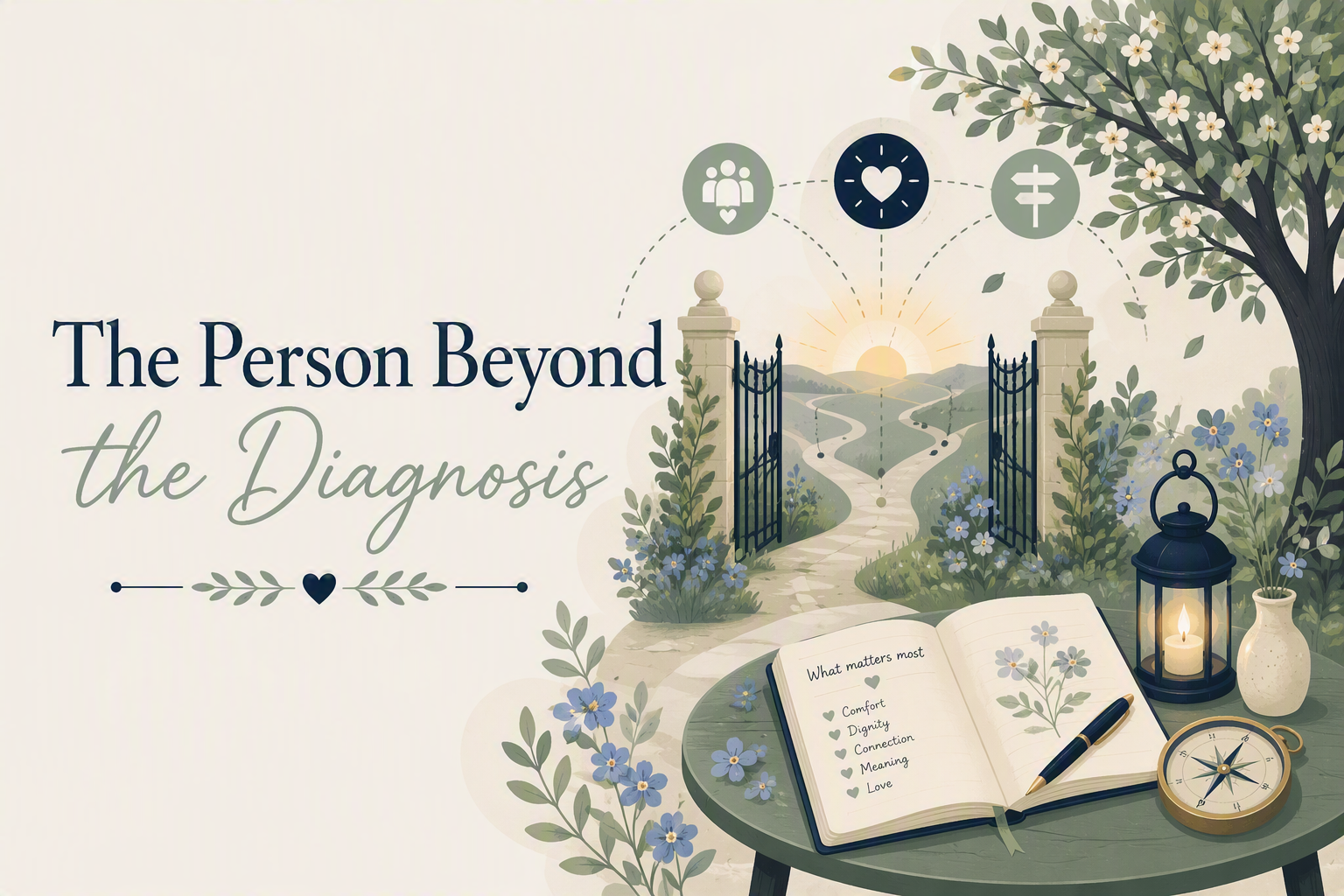
By: Hey Woman Podcast | Episode 20: Seeing Beyond the Diagnosis
The Hardest Caregiving Conversations Often Happen Too Late
For many families, conversations about dementia, end-of-life wishes, medical interventions, and quality of life don’t happen until a crisis forces them to.
By then, emotions are high.
Decisions feel urgent.
Family members may disagree.
And the person at the center of the conversation may no longer be able to fully participate.
In Episode 20 of the Hey Woman Podcast, Julie and Cortney are joined by Hogeweyk founder Eloy van Hal to discuss dementia, palliative care, hospice, advance care planning, and the importance of seeing the person behind the diagnosis.
The episode challenges families to think beyond medical decisions and focus on something deeper:
What does good living mean to the person receiving care?
“End-of-life conversations should happen before the crisis.”
Why These Conversations Matter
Many families avoid talking about:
- End-of-life wishes
- Hospice care
- Palliative care
- Medical interventions
- Advance directives
- Quality of life
Often, these topics feel uncomfortable or emotionally overwhelming.
But waiting until a medical emergency occurs can make decisions more stressful and more difficult.
Having conversations early allows families to understand what matters most before urgent decisions are required.
The Caregiver Takeaway
Planning ahead isn’t about expecting the worst.
It’s about creating clarity when difficult situations arise.
Seeing the Person Beyond the Diagnosis
One of the most powerful themes from this episode is the reminder that dementia is only one part of a person’s story.
A diagnosis may change abilities, communication, and daily routines, but it does not erase the individual.
Families often become so focused on symptoms and care needs that they unintentionally stop seeing the whole person.
Instead, caregivers should continue asking:
- What brings this person joy?
- What matters most to them?
- What makes life meaningful?
- What routines provide comfort?
- What values should guide decisions?
“Caregivers should see the person behind the disease and avoid talking over the person.”
Why This Matters
Person-centered care begins by recognizing that a diagnosis does not define someone’s identity.
Legal Documents Matter—But Conversations Matter Too
Many families work hard to complete important documents such as:
- Powers of Attorney
- Advance Directives
- Healthcare Proxies
- POLST/MOLST forms
These tools are incredibly important.
However, legal documents only identify who makes decisions.
They don’t always explain how decisions should be made.
Questions Families Should Discuss
- What does quality of life mean to you?
- What treatments would you want?
- What treatments would you not want?
- What brings comfort and dignity?
- What concerns you most about the future?
The answers to these questions often provide valuable guidance during difficult moments.
Understanding Palliative Care
Many people assume palliative care is only for the very end of life.
In reality, palliative care can be helpful much earlier.
Its focus is improving quality of life through:
- Symptom management
- Comfort
- Communication
- Goal setting
- Family support
Palliative care teams help families think through complex medical decisions while keeping the person’s values at the center of the conversation.
The Caregiver Takeaway
Palliative care is not about giving up.
It’s about understanding options and aligning care with what matters most.
What Hospice Really Means
Hospice is one of the most misunderstood aspects of care.
Many families associate hospice with loss, fear, or the final days of life.
However, hospice focuses on comfort, support, quality of life, and helping both the individual and family navigate a challenging season.
Hospice services may include:
- Symptom management
- Nursing support
- Emotional support
- Spiritual care
- Family education
- Bereavement resources
For many families, hospice provides support they wish they had accessed sooner.
How Dementia Changes Care Decisions
Dementia often changes the way families think about medical interventions.
Questions that once seemed straightforward become more complex.
Families may find themselves considering:
- Hospitalizations
- Feeding decisions
- Medical procedures
- Resuscitation preferences
- Long-term care options
These decisions are often emotional because they involve balancing:
- Safety
- Comfort
- Longevity
- Independence
- Quality of life
There is rarely a perfect answer.
The goal is making decisions that align with the person’s wishes and values.
Talking About Quality of Life
One of the most meaningful questions from this episode isn’t medical at all.
It’s personal.
“What does good living mean to you?”
The answer may include:
- Family relationships
- Independence
- Favorite activities
- Spiritual practices
- Comfort
- Familiar routines
- Meaningful experiences
Understanding these priorities helps guide future care decisions.
The Caregiver Takeaway
Start with values before discussing interventions.
The values often provide the framework for every future decision.
Four Conversations Families Should Have Now
1. Define What Quality of Life Means
Ask loved ones what matters most to them and document those preferences.
2. Review Key Documents
Make sure advance directives, powers of attorney, and healthcare decision-making documents reflect current wishes.
3. Learn About Available Support
Speak with physicians, palliative care providers, hospice teams, and elder law professionals before a crisis occurs.
4. Include the Person Whenever Possible
Whenever appropriate, involve the individual in conversations about their care instead of talking around them or over them.
Their voice still matters.
Professional Guidance Can Help
Families navigating dementia and end-of-life planning often benefit from support from:
- Elder law attorneys
- Estate planning professionals
- Physicians
- Palliative care teams
- Hospice providers
- Social workers
- Care coordinators
- Community organizations
These professionals can help families understand options, reduce uncertainty, and make informed decisions.
Listen & Learn More
Listen to the Hey Woman Podcast for real-life caregiving stories, practical guidance, and family-centered conversations.
Visit Planning & Protecting for caregiver resources, dementia support tools, free downloads, and guidance from professionals who understand elder law, aging, memory care, and long-term planning.