
Second Year Grief: What No One Tells You About Coping With Loss
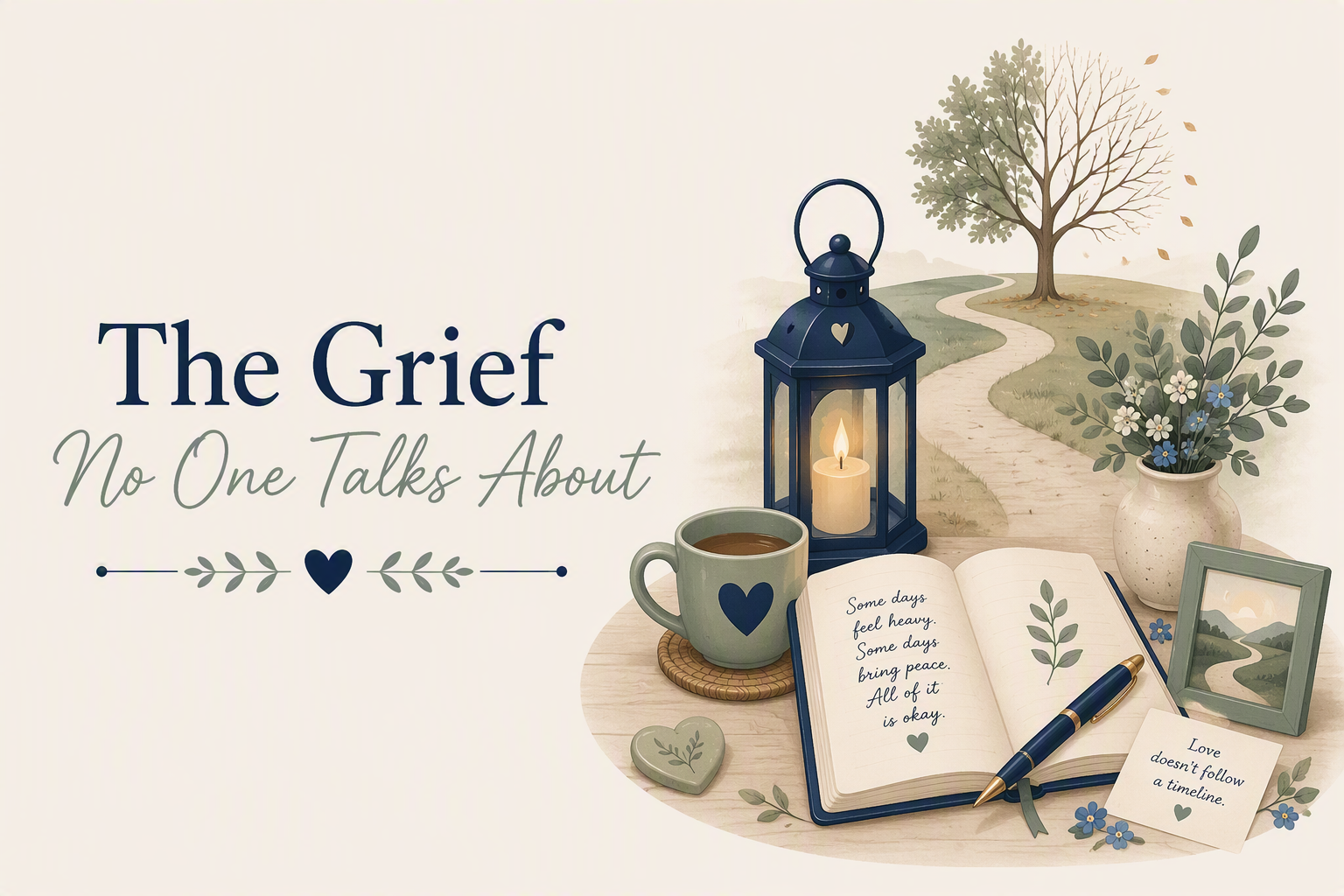
By: Hey Woman Podcast | Episode 32: Second Year Grief
What Happens When Grief Doesn’t Get Easier?
Many people hear the same message after losing someone they love:
“The first year is the hardest.”
But what happens when the second year arrives and you don’t feel better?
What happens when the holidays have passed, the anniversaries have come and gone, and life still feels different?
In Episode 32 of the Hey Woman Podcast, Julie and Cortney explore a topic many grieving people quietly struggle with: second-year grief.
The episode offers reassurance that if grief feels different—or even heavier—in the second year, you’re not doing it wrong.
You’re experiencing something many people never talk about.
“The second year is when you realize it’s permanent.”
The Myth: “It Should Be Easier By Now”
One of the most damaging beliefs about grief is the idea that healing follows a predictable timeline.
Many people assume:
- The first year is the hardest.
- Then things improve.
- Life returns to normal.
The reality is often much different.
Grief doesn’t follow a schedule.
You don’t return to your old self.
And life doesn’t simply go back to the way it was before.
The Grief Takeaway
If you’re struggling in the second year, it doesn’t mean you’re stuck.
It means you’re continuing to process a life-changing loss.
Why the Second Year Feels Different
The first year is often about survival.
You’re navigating:
- First holidays
- First birthdays
- First anniversaries
- First family gatherings
- First major milestones
You expect those moments to be difficult.
People often give you permission to grieve.
Support tends to be readily available.
The second year is different.
The milestones are no longer “firsts.”
The shock has faded.
And that’s when many people begin fully understanding the permanence of the loss.
It’s Not Easier—It’s Deeper
Year one is often about getting through today.
Year two often becomes about understanding what life now looks like.
That realization can feel unexpectedly heavy.
When the World Moves On
One of the most difficult parts of second-year grief is that the world often expects you to be okay.
Friends check in less frequently.
Family members may assume you’re doing better.
Support naturally decreases.
Meanwhile, you may still be carrying the same loss every day.
“There’s societal pressure like—okay, aren’t you better now?”
Why This Hurts
Many grieving people begin questioning themselves.
They wonder:
- Why am I still struggling?
- Shouldn’t I be further along?
- What’s wrong with me?
The answer is simple:
Nothing is wrong with you.
Grief doesn’t disappear simply because time has passed.
You Don’t Go Back—You Become Someone New
One of the most powerful truths discussed in this episode is that grief changes you.
Many people spend the first year trying to get back to who they were before.
Eventually, they realize that person no longer exists in the same way.
Loss changes:
- Priorities
- Relationships
- Perspectives
- Emotional responses
- Life goals
- Identity
The Grief Takeaway
Healing isn’t about returning to your old life.
It’s about learning how to live within your new one.
The Identity Shift After Caregiving
For caregivers, grief often carries additional layers.
It’s not only the loss of a loved one.
It’s also the loss of:
- A caregiving role
- Daily routines
- Responsibilities
- Purpose
- Familiar patterns
Many caregivers wake up after a loss and realize they no longer know exactly who they are without caregiving.
Why This Matters
Grief is often about more than the person who died.
It’s also about the parts of yourself that changed alongside them.
The Emotional Complexity of Year Two
Another theme explored in this episode is that emotions become more layered over time.
During the first year, sadness may feel like the dominant emotion.
During the second year, everything tends to show up at once.
You may feel:
- Happy
- Sad
- Angry
- Grateful
- Lonely
- Hopeful
- Overwhelmed
Sometimes all within the same day.
“Happy, sad, angry, and overwhelmed… all at the same time.”
The Grief Takeaway
Conflicting emotions don’t mean you’re confused.
They mean you’re human.
Why Second-Year Grief Can Feel Isolating
Many grieving individuals describe the second year as unexpectedly lonely.
Support often decreases.
Life expectations increase.
Friends may assume you’ve “moved on.”
At the same time, you may feel like you’re still carrying a heavy emotional load.
The Hidden Challenge
Grief becomes less visible.
The world may not see it.
But you still feel it.
This disconnect can create feelings of isolation even when others care deeply about you.
The Danger of Comparing Grief
One of the common struggles discussed in this episode is comparison.
People look at others and think:
- They seem fine.
- They moved forward faster.
- Why is this easier for them?
Comparison often leads to:
- Shame
- Self-doubt
- Frustration
- Unrealistic expectations
The Grief Takeaway
There is no universal grief timeline.
Your journey belongs to you.
And that is enough.
What Healing Actually Looks Like
Many people believe healing means “moving on.”
This episode offers a different perspective.
Healing is not forgetting.
Healing is not pretending the loss didn’t happen.
Healing is learning how to carry both love and loss forward.
It’s About Rebuilding
Eventually, many grieving people begin asking new questions:
- Who am I now?
- What matters to me?
- What do I want next?
- What have I put on hold?
These questions are not a sign that grief is ending.
They’re a sign that life is continuing.
Five Practical Ways to Navigate Second-Year Grief
1. Let Go of the Idea That You Should Be “Better”
Instead of asking:
“Why am I not better?”
Consider:
“How am I different?”
2. Stop Comparing Your Journey
No two grief experiences are identical.
Comparison rarely creates healing.
3. Plan for Difficult Days
Build support systems for moments when grief feels heavier.
That might include:
- Scheduled downtime
- Trusted friends
- Counseling
- Family support
- Personal rituals
4. Allow Joy and Sadness to Coexist
Experiencing happiness does not mean you loved someone less.
Both emotions can exist together.
5. Be Intentional About What Comes Next
Rather than simply surviving milestones, consider creating new traditions, new routines, and new ways to honor the people you love.
The Most Important Truth
The heart of this episode can be summarized in one powerful reminder:
“You are not broken. You’re not behind.”
Grief is not a problem to solve.
It’s not a project to complete.
And it isn’t something you “get over.”
It’s something you learn to carry.
Over time, that weight may feel different.
But it remains part of the story because love remains part of the story.
Listen & Learn More
Listen to the Hey Woman Podcast for real-life caregiving stories, practical guidance, and family-centered conversations.
Visit Planning & Protecting for grief resources, caregiver support tools, and guidance for families navigating loss, life transitions, and healing after caregiving.