
Food, Control, and Joy in Caregiving
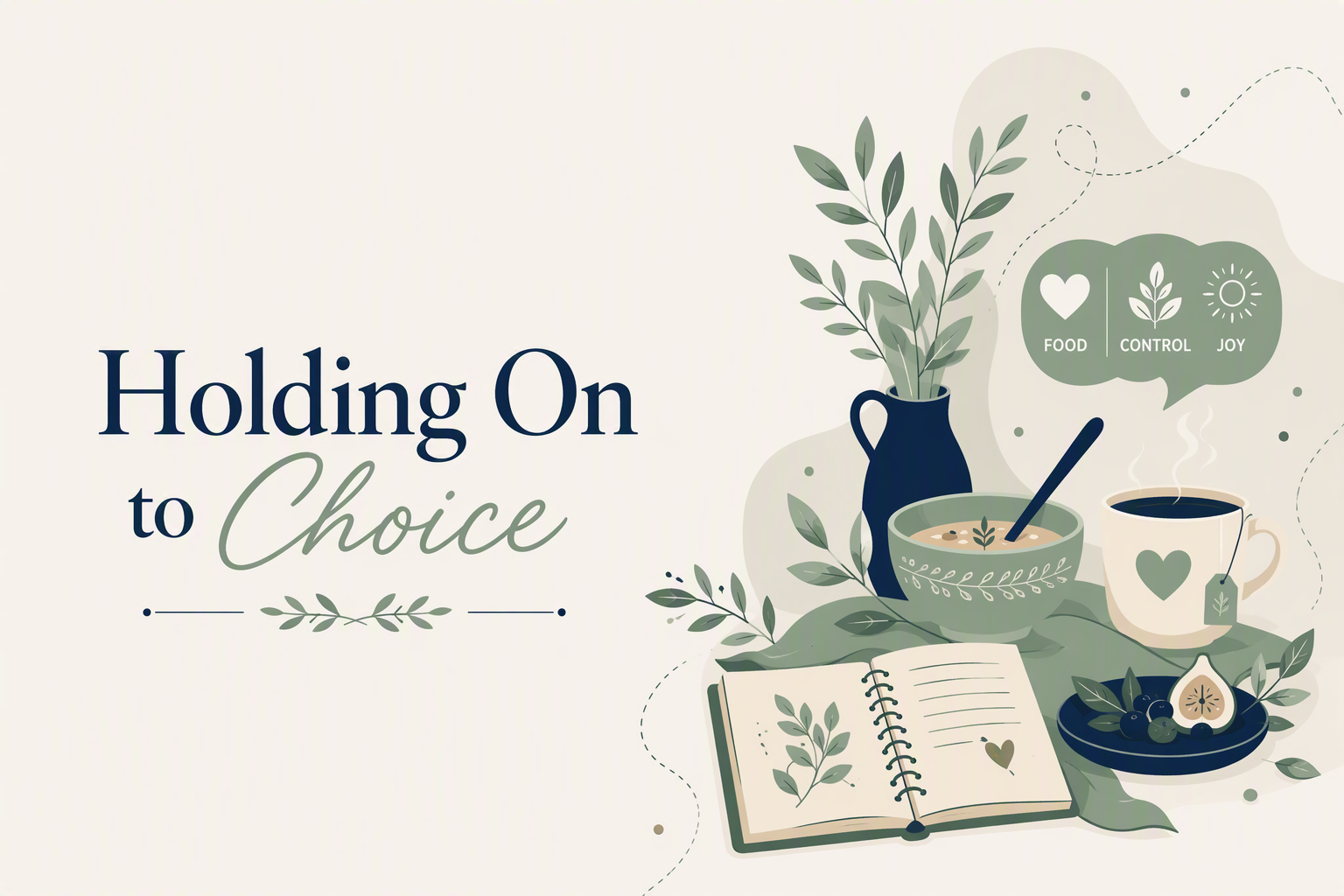
By: Hey Woman Podcast | Episode 8: Navigating Nutrition and Enjoyment
Food Is About More Than Nutrition
Food is often one of the most emotional parts of caregiving.
It can bring comfort, connection, memories, traditions, and a sense of control during a time when so much feels uncertain.
In Episode 8 of the Hey Woman Podcast, Julie and Cortney explore the complex relationship between food, caregiving, and quality of life. Through stories about Nana, they discuss how food can become a source of dignity, joy, routine, and identity—even when health challenges make eating more difficult.
This conversation encourages caregivers to think beyond calories and meal plans and consider what food means to the person they love.
“Food is medical, emotional, cultural, and personal.”
Why Food Matters So Much During Caregiving
As health changes, many families find themselves facing new questions about nutrition, appetite, and eating habits.
What should they eat?
What if they refuse meals?
Should caregivers focus on nutrition or enjoyment?
The truth is that food often serves multiple purposes at once.
Food can provide:
- Nutrition
- Comfort
- Independence
- Social connection
- Cultural traditions
- Familiar routines
- A sense of control
For many older adults, choosing what to eat may remain one of the few daily decisions they can still make for themselves.
The Caregiver Takeaway
Food is rarely just food.
Meals can become opportunities to preserve dignity, create connection, and support emotional well-being.
Finding Ways to Say “Yes”
Caregivers often spend much of their time managing risks, medical needs, and safety concerns.
As a result, the word “no” can become part of daily life.
But this episode encourages families to ask a different question:
How can we safely say yes?
Sometimes that means adjusting expectations rather than eliminating favorite foods altogether.
For example:
- Smaller portions
- Modified recipes
- Softer textures
- Special occasion treats
- Nutritional alternatives
The goal is to balance safety with quality of life whenever possible.
The Importance of Favorite Foods
Whether it’s a tomato sandwich, a bowl of ice cream, or a cherished family recipe, favorite foods often carry memories and meaning.
These foods connect people to:
- Childhood experiences
- Family traditions
- Cultural identity
- Happy memories
- Personal independence
When caregivers understand these connections, meals become more than a daily task—they become an opportunity to create moments of joy.
When Food Becomes a Source of Control
Illness often takes away many choices.
Health conditions may impact:
- Mobility
- Driving
- Daily routines
- Living arrangements
- Independence
Food, however, often remains one area where a person can still express preferences.
Being able to choose:
- What to eat
- When to eat
- How food is prepared
can help restore a sense of control.
Why This Matters
Caregiving isn’t only about managing health conditions.
It’s also about helping people maintain autonomy wherever possible.
Food Creates Connection
One of the most meaningful themes from this episode is how food brings people together.
Meals often become:
- Family gatherings
- Holiday traditions
- Opportunities for conversation
- Moments of comfort during difficult times
Caregivers can use food as a way to make visits feel less clinical and more personal.
Instead of focusing entirely on appointments and health concerns, families can enjoy something familiar together.
A favorite dessert or family recipe may create a meaningful moment long after the details of a medical appointment are forgotten.
Traditions Continue After Loss
The connection between food and caregiving doesn’t end when a loved one dies.
Many families continue traditions through:
- Holiday recipes
- Family dinners
- Special celebrations
- Favorite restaurants
- Shared meals
These traditions become a way of keeping memories alive and honoring the people who shaped our lives.
“Traditions around food continue even after a loved one dies.”
Four Things Caregivers Can Do Today
1. Focus on Hydration and Nutrition Basics
Before worrying about perfection, make sure basic needs are being met.
Simple improvements can often make a significant difference.
2. Ask About Favorite Foods
Learn which foods still bring comfort, enjoyment, and meaning.
Those preferences can become valuable caregiving tools.
3. Modify Rather Than Eliminate
If a favorite food is no longer practical in its original form, explore alternatives.
Smaller portions or adjusted recipes may allow someone to continue enjoying foods they love.
4. Use Food to Strengthen Connection
Bring a favorite snack.
Share a meal together.
Bake a cherished family recipe.
Small food-centered moments often create lasting memories.
Professional Guidance Can Help
Families should remember that caregiving decisions don’t have to be made alone.
Support may come from:
- Elder law attorneys
- Estate planning professionals
- Care coordinators
- Social workers
- Medical providers
- Hospice teams
- Palliative care specialists
- Community organizations
These professionals can help families navigate both practical and emotional caregiving challenges.
Listen & Learn More
Listen to the Hey Woman Podcast for real-life caregiving stories, practical guidance, and family-centered conversations.
Visit Planning & Protecting for caregiver resources, educational tools, and support from elder law and estate planning professionals.