
Building a Caregiving Support System Before You Burn Out
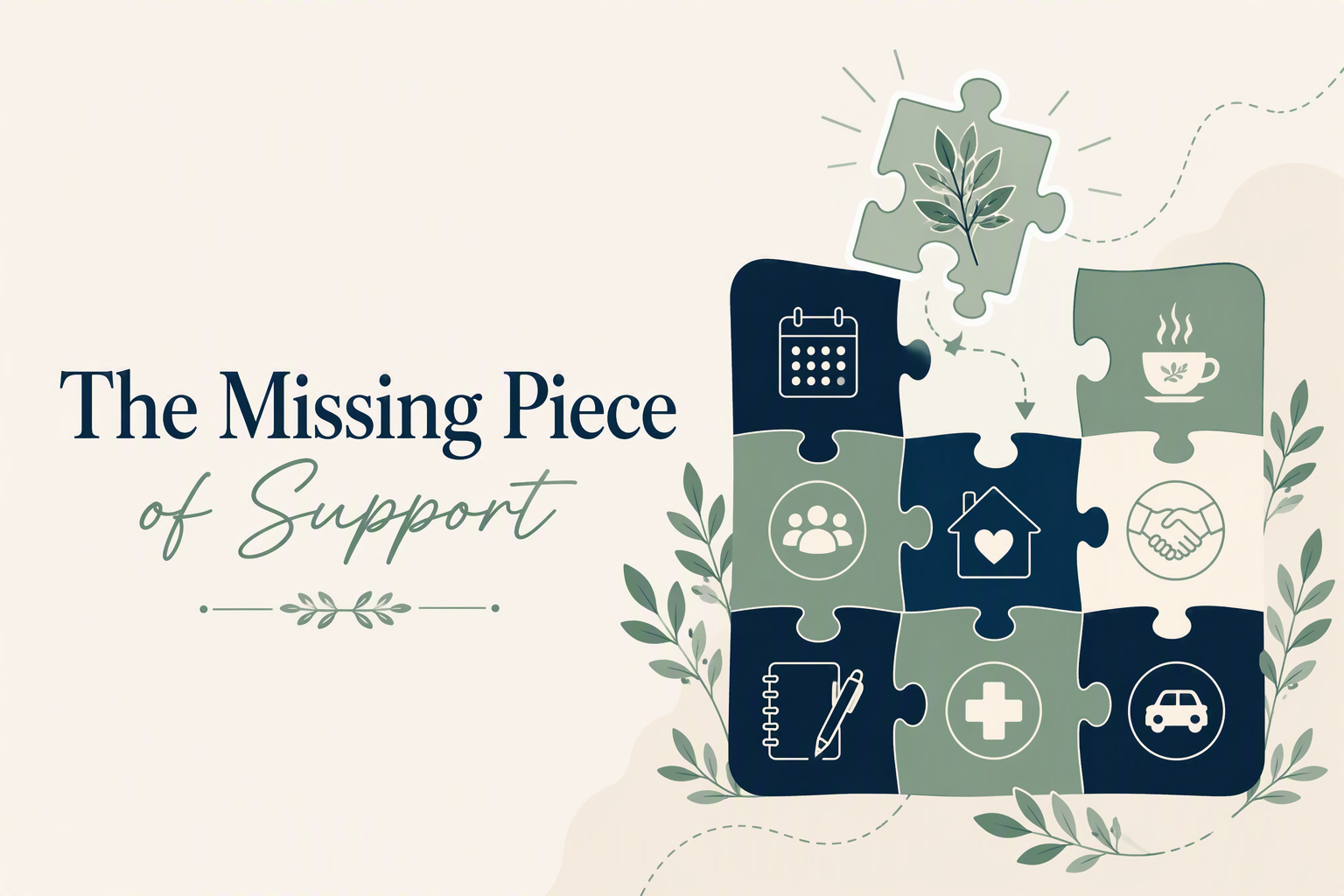
By: Hey Woman Podcast | Episode 5: Community of Support
Caregiving Was Never Meant to Be Done Alone
Most caregivers don’t wake up one morning and decide they’re now a caregiver.
Instead, caregiving often arrives gradually through a series of conversations, responsibilities, unexpected challenges, and moments of love.
In Episode 5 of the Hey Woman Podcast, Julie and Cortney explore one of the most important but overlooked aspects of caregiving: building a support system before burnout occurs.
Using their family’s experience caring for Nana, they discuss recognizing when you’re struggling, accepting a new caregiving chapter, asking for help, and creating practical systems that allow families to share the responsibilities of care.
This episode reminds listeners that caregiving isn’t a single decision—it’s an ongoing journey that requires support, planning, and communication.
“Caregivers often need to admit, ‘I’m not okay,’ before anything can improve.”
Recognizing When You Need Help
Many caregivers are used to being the person everyone else depends on.
They are problem-solvers, organizers, and helpers. Because of that, they often delay asking for support until they are completely exhausted.
One of the most powerful lessons from this conversation is that acknowledging your struggles is not weakness—it’s awareness.
The Caregiver Takeaway
Before a support system can be built, caregivers must first recognize and accept that they cannot do everything alone.
Asking for help isn’t giving up responsibility.
It’s creating the capacity to continue caregiving well.
Accepting the Caregiving Chapter
Every family enters a season where caregiving becomes part of daily life.
Sometimes it begins with:
- More doctor appointments
- Increased health concerns
- Safety issues at home
- Changes in memory or mobility
- A growing need for support
The sooner families acknowledge this chapter, the sooner they can make intentional decisions instead of constantly reacting to emergencies.
Why This Matters
When families avoid conversations about caregiving, decisions often get made during a crisis.
Planning ahead creates more options, less stress, and better outcomes for everyone involved.
The Role of Family and Friends
Support systems don’t have to be large to be effective.
The best support systems are built from people who are willing to show up consistently.
That support may come from:
- Family members
- Friends
- Neighbors
- Church communities
- Coworkers
- Volunteer organizations
- Professional care providers
“Support can come from family, friends, church groups, coworkers, and community.”
How Out-of-Town Family Members Can Help
One common caregiving challenge occurs when family members live in different cities or states.
Distance can create feelings of guilt and uncertainty.
However, meaningful caregiving support is not limited to physical presence.
Helpful Ways to Support From a Distance
- Manage calendars and appointments
- Coordinate meal deliveries
- Research resources and services
- Help organize paperwork
- Handle scheduling tasks
- Regularly check in with the primary caregiver
- Provide emotional support
The key is reducing the burden—not creating additional work for the person providing daily care.
Building a Three-Layer Support Plan
A strong caregiving support system typically includes three important layers.
1. Emotional Support
Every caregiver needs people who can listen without judgment.
Ask:
- Who can I call when I’m overwhelmed?
- Who understands what I’m experiencing?
- Who can help me process difficult emotions?
Without emotional support, even manageable caregiving responsibilities can become overwhelming.
2. Practical Support
Caregiving requires countless logistical tasks.
This includes:
- Transportation
- Medication management
- Meal preparation
- Appointment scheduling
- Daily routines
- Backup caregiving plans
Creating systems ahead of time reduces stress later.
3. Legal and Financial Support
Many caregiving decisions involve important legal and financial considerations.
Families should consider:
- Powers of Attorney
- Healthcare decision-making documents
- Long-term care planning
- Benefits eligibility
- Financial management responsibilities
Preparing these documents before a crisis provides clarity when important decisions need to be made.
Small Moments Matter More Than We Think
One of the realities of caregiving is that ordinary moments often carry tremendous emotional weight.
A favorite meal can become a source of comfort.
A family gathering can become a logistical challenge.
A holiday can highlight both gratitude and grief.
This is why caregiving requires both practical planning and compassion.
Families need resources that help them navigate both.
Four Action Steps Caregivers Can Take Today
1. Name the Chapter You’re In
Be honest about your family’s current situation.
Understanding where you are helps determine what support is needed.
2. Create a Shared Calendar
Track:
- Appointments
- Medications
- Transportation
- Family coverage schedules
Shared information reduces confusion and missed responsibilities.
3. Ask for Specific Help
Instead of saying:
“I could use some help.”
Try:
“Could you pick up groceries this week?”
or
“Could you drive Mom to her appointment Friday?”
Specific requests are easier for people to respond to.
4. Accept Offers of Support
When someone asks:
“What can I do?”
Give them a real task.
Most people genuinely want to help—they just don’t know how.
Professional Help Is Part of a Support System Too
Families don’t have to navigate caregiving challenges on their own.
Support can also come from professionals, including:
- Elder law attorneys
- Estate planning professionals
- Care coordinators
- Social workers
- Medical providers
- Hospice teams
- Palliative care specialists
- Community organizations
Seeking guidance isn’t a sign that you’ve failed.
It’s often one of the strongest caregiving decisions a family can make.
Listen & Learn More
Listen to the Hey Woman Podcast for real-life caregiving stories, practical guidance, and family-centered conversations.
Visit Planning & Protecting for caregiver resources, educational tools, and support from elder law and estate planning professionals.