
A Caregiver’s Guide to Levels of Care and Paying for Long-Term Support
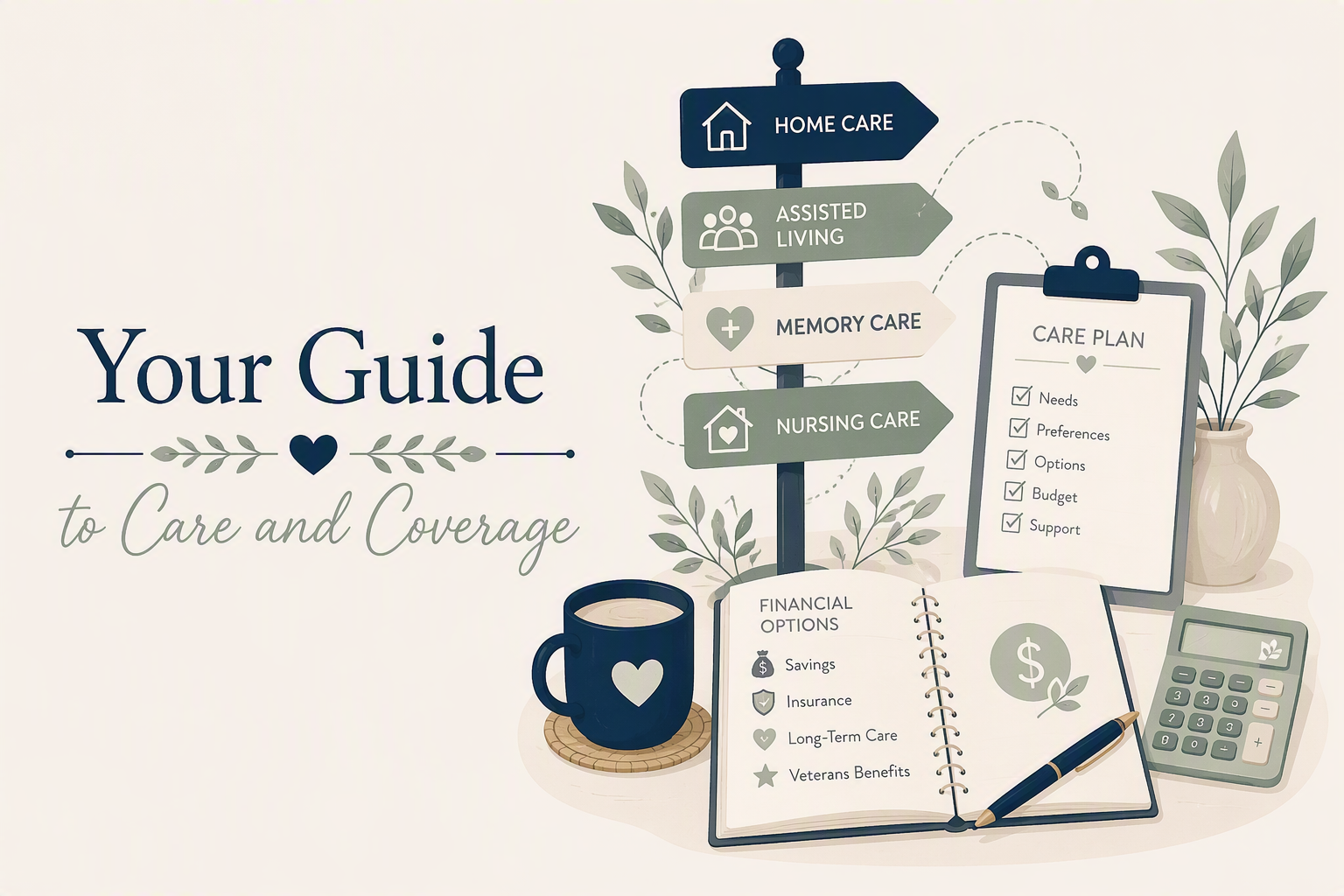
By: Hey Woman Podcast | Episode 21: Caregiving with Confidence
The Moment Every Caregiver Hopes to Avoid
It often begins with a hospital stay.
Your loved one is recovering, and suddenly you’re told they’re being discharged. The medical team asks where they’ll go next, and you’re expected to make a decision quickly.
For many families, this is the first time they’re hearing terms like:
- Assisted Living
- Skilled Nursing
- Memory Care
- Short-Term Rehab
- Home Care
The challenge isn’t just making a decision.
It’s making the right decision under pressure.
In Episode 21 of the Hey Woman Podcast, Julie and Cortney discuss one of the most important caregiving topics families often overlook until a crisis occurs: understanding levels of care and how to pay for them.
“When you understand your options ahead of time, everything changes.”
Why Understanding Levels of Care Matters
Many families assume there are only two options:
- Stay at home
- Move into a nursing home
The reality is far more complex.
There are multiple levels of care available, each designed to meet different needs and support different stages of aging.
Understanding these options before a crisis occurs gives families more control, better outcomes, and greater peace of mind.
“Not all care is created equal—and knowing the difference can change everything.”
Understanding the Different Levels of Care
Home Care
Home care allows individuals to remain in their own home while receiving assistance.
Depending on need, support may include:
- Meal preparation
- Personal care
- Medication reminders
- Housekeeping
- Transportation
- Companionship
Home care is often a preferred option because it allows individuals to remain in familiar surroundings.
Respite Care
Respite care provides temporary support for caregivers.
This care may last:
- A few hours
- Several days
- A short-term stay in a facility
Respite care gives caregivers an opportunity to rest, travel, attend appointments, or simply recharge.
Assisted Living or Personal Care
Assisted living provides support while maintaining as much independence as possible.
Residents typically receive assistance with:
- Medication management
- Meals
- Personal care
- Social activities
- Daily living needs
This level of care often surprises families because it can actually increase independence, safety, and quality of life.
Memory Care
Memory care provides specialized support for individuals living with dementia or Alzheimer’s disease.
These communities are designed to provide:
- Enhanced supervision
- Structured routines
- Safety features
- Dementia-focused programming
Memory care often becomes appropriate when cognitive changes begin affecting safety and daily functioning.
Short-Term Rehabilitation
Short-term rehab focuses on recovery.
Individuals often enter rehab after:
- Surgery
- Hospitalization
- Illness
- Injury
The goal is usually helping the person regain strength and return home.
Services may include:
- Physical therapy
- Occupational therapy
- Speech therapy
- Medical supervision
Nursing Homes
Nursing homes provide long-term skilled care for individuals who require ongoing medical support and assistance with daily living activities.
This level of care often becomes necessary when needs exceed what can reasonably be provided at home or in assisted living.
The Hidden Pressure of Hospital Discharges
One of the most stressful caregiving situations occurs when a loved one is being discharged from the hospital.
Families are often:
- Exhausted
- Emotional
- Under time pressure
- Unfamiliar with available options
In these moments, caregivers may feel they have no choice but to accept the first recommendation they receive.
“You don’t want to be standing in a hospital room on a Friday making this decision.”
The best decisions often happen when families have researched options before an emergency occurs.
Short-Term Rehab vs. Nursing Home: Understanding the Difference
Many families assume rehab and nursing homes are essentially the same.
They are not.
Short-Term Rehabilitation Focuses on Recovery
The primary goal of rehab is improvement.
Individuals receive intensive therapy designed to help them regain function and return home whenever possible.
Rehabilitation typically emphasizes:
- Recovery
- Strength building
- Increased independence
- Returning to previous abilities
Nursing Homes Focus on Ongoing Care
Nursing homes provide long-term support when a person’s needs are unlikely to improve significantly.
The primary focus becomes:
- Medical oversight
- Safety
- Daily care
- Long-term support
The Caregiver Takeaway
The first option presented isn’t always the best option.
Families should ask questions and understand the purpose of each care setting before making a decision.
“The best option isn’t always the one you’re first given.”
Assisted Living Doesn’t Mean Losing Independence
Many older adults fear assisted living because they associate it with loss of freedom.
In reality, assisted living often provides exactly the opposite.
Residents frequently experience:
- More social interaction
- Increased safety
- Reduced isolation
- Access to activities
- Relief from household responsibilities
For many individuals, assisted living improves overall quality of life while preserving independence.
The Reality of Aging in Place
Studies consistently show that most people want to remain at home as they age.
And for many families, aging in place is an excellent option.
However, staying home requires more than simply wanting to stay home.
Families must consider:
- Home accessibility
- Safety modifications
- Caregiver availability
- Transportation
- Financial resources
- Backup support systems
“Home is where people want to be—but it takes planning to stay there.”
Without planning, aging in place may become difficult or unsustainable.
Paying for Long-Term Care
The financial side of caregiving is one of the most misunderstood aspects of planning.
One of the most common misconceptions is:
“Medicare pays for long-term care.”
In most situations, Medicare only covers limited short-term medical services and rehabilitation needs.
It generally does not cover ongoing long-term custodial care.
Common Ways Long-Term Care Is Funded
Families often pay for care through:
- Private pay resources
- Medicaid programs
- Long-term care insurance
- Certain benefits programs
- Financial planning strategies
Understanding these options early allows families to plan more effectively.
“The financial side of caregiving is often overlooked—but it changes everything.”
New Financial Strategies Families Should Understand
One growing option discussed in this episode is indemnity or cash-benefit insurance policies.
These policies may provide:
- Monthly cash benefits
- Flexible spending options
- Assistance paying for caregiving expenses
- Support for family caregivers
Unlike some traditional policies, these funds can often be used in ways that best fit a family’s needs.
Why This Matters
Money doesn’t solve every caregiving challenge.
But it does create choices.
And choices often lead to better care outcomes.
“Money creates options—and options create better care.”
The Caregiver Reality
Long-term caregiving impacts more than the person receiving care.
It impacts the caregiver as well.
Caregivers frequently experience:
- Burnout
- Chronic stress
- Financial pressure
- Health concerns
- Emotional exhaustion
This is why the caregiver’s well-being must be part of every care plan.
“Caregiving without a plan becomes a crisis.”
A successful care strategy supports both the individual receiving care and the person providing it.
Why Planning Changes Everything
Families who wait until a crisis often experience:
- Limited options
- Increased stress
- Reactive decisions
- Financial strain
- Caregiver overwhelm
Families who plan ahead often experience:
- Greater control
- Better care outcomes
- More financial flexibility
- Stronger support systems
- Increased confidence in decision-making
Planning does not eliminate every challenge.
But it gives families more options when challenges arise.
“The best time to plan is before you need it.”
Five Things Caregivers Can Do Today
1. Learn the Different Levels of Care
Understanding available options before they’re needed helps families make better decisions later.
2. Research Local Resources Early
Visit communities, ask questions, and explore options before a crisis occurs.
3. Have Financial Planning Conversations
Discuss care costs, benefits, insurance, and long-term funding strategies.
4. Protect the Caregiver
Build support systems that prevent burnout and allow caregivers to maintain their own health and well-being.
5. Build a Care Team
Caregiving should not fall entirely on one person.
Include family members, professionals, healthcare providers, and community resources whenever possible.
Listen & Learn More
Listen to the Hey Woman Podcast for real-life caregiving stories, practical guidance, and family-centered conversations.
Visit Planning & Protecting for caregiver resources, educational tools, and support for families navigating assisted living, nursing home care, long-term planning, and aging-related decisions.